Most people think they are making eye contact on Zoom.
They are not.
They are looking at a face on a screen. Usually slightly downward. Sometimes off to the side.
It feels normal. It looks passive.
Eye Contact Works Differently on Video
In person, eye contact happens naturally.
On Zoom, it is simulated.
If you look at the other person’s eyes on your screen, you are not looking at them. You are looking below the camera.
To the person watching you, your gaze drops.
Subtle. But noticeable.
Especially to someone who interviews people for a living.
What Interviewers Actually Perceive
They do not think, this person lacks confidence.
They feel something slightly off.
Less presence. Less engagement. Less authority.
They may not name it. They will still score it.
This is part of how your video interview setup sends signals you never intended.
The Camera Is the Eye
This part is inconvenient.
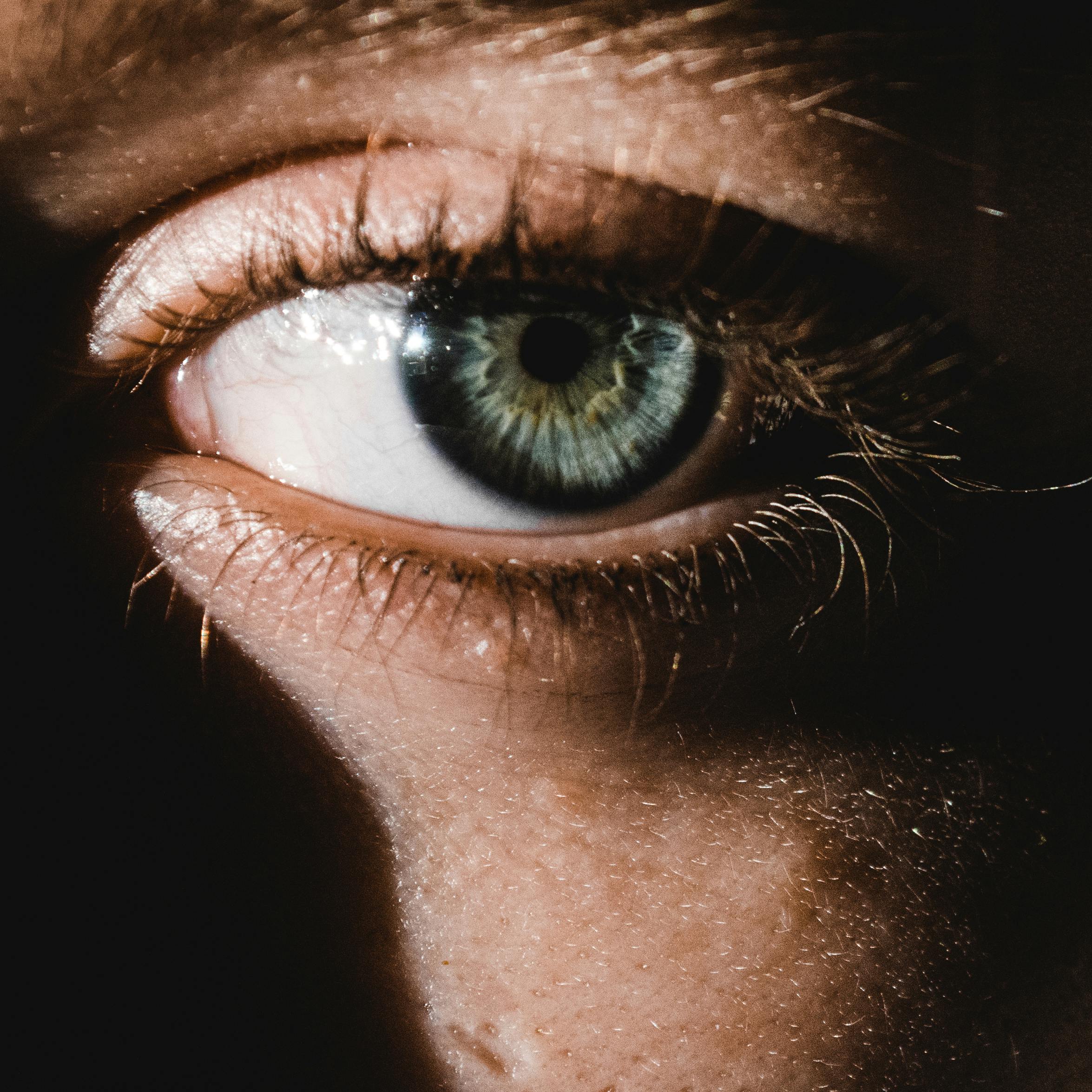
To create eye contact on Zoom, you have to look into the camera. Not at the screen.
That means you are not looking at the person while they speak.
That feels wrong at first.
It takes practice.
Why Forcing It Looks Strange
Some candidates overcorrect.
They stare at the camera the entire time.
No movement. No shift. No breaks.
That looks artificial.
People are used to natural eye movement. Not fixed focus.
The Goal Is Not Constant Eye Contact
The goal is believable eye contact.
That means:
- Looking into the camera when you are speaking
- Looking at the screen when you are listening
- Returning to the camera when you respond
This creates a rhythm.
It feels human.
A Simple Pattern That Works
When the interviewer asks a question, look at the screen.
When you start answering, glance at the camera.
Stay there for the first sentence or two.
Then let your eyes move naturally.
When you make a key point, return to the camera briefly.
That is enough.
Why This Matters More for Senior Professionals
At senior levels, presence is evaluated before content.
Not consciously. But consistently.
Eye contact affects how decisive you sound. How steady you appear. How much weight your words carry.
It should not matter.
It does.
Understanding how interviewers decide you are senior helps explain why these subtle signals matter.
Camera Placement Makes This Easier or Harder
If your camera is below eye level, this becomes almost impossible.
Your gaze will always drop.
Raise the camera to eye height.
Not above. Not angled down.
Straight on.
Getting your camera angle correct is the foundation for natural eye contact.
Distance Matters Too
If your face is too close to the camera, eye movement becomes exaggerated.
If you are too far, eye contact loses impact.
Frame yourself mid chest up.
Leave some space above your head.
Nothing dramatic.
Looking at Notes Breaks Eye Contact Fast
If your notes are on your desk, your eyes will drop.
If they are on a second screen, your eyes will drift.
If you need notes, place them close to the camera.
Or better, reduce them.
At this level, reading is a liability.
Practice Feels Awkward. That Is Normal.
You will feel like you are talking to a dot.
You are.
The discomfort fades.
The effect remains.
If you decide to stand during your interview, the camera positioning becomes even more important.
Most Candidates Never Fix This
They focus on answers. On stories. On preparation.
They ignore delivery.
Which is why this small adjustment stands out.
How Strong Candidates Control the Signals They Send
Some professionals stop hoping their experience speaks for itself. They make their thinking and presence easier to read by showing how they would operate once hired.
This Is Not About Tricks
It is about removing friction.
You want the interviewer focused on what you are saying. Not on why something feels slightly off.
Eye contact on Zoom is part of that.
Most people never adjust.
You can.
And then you move on to more important things.