
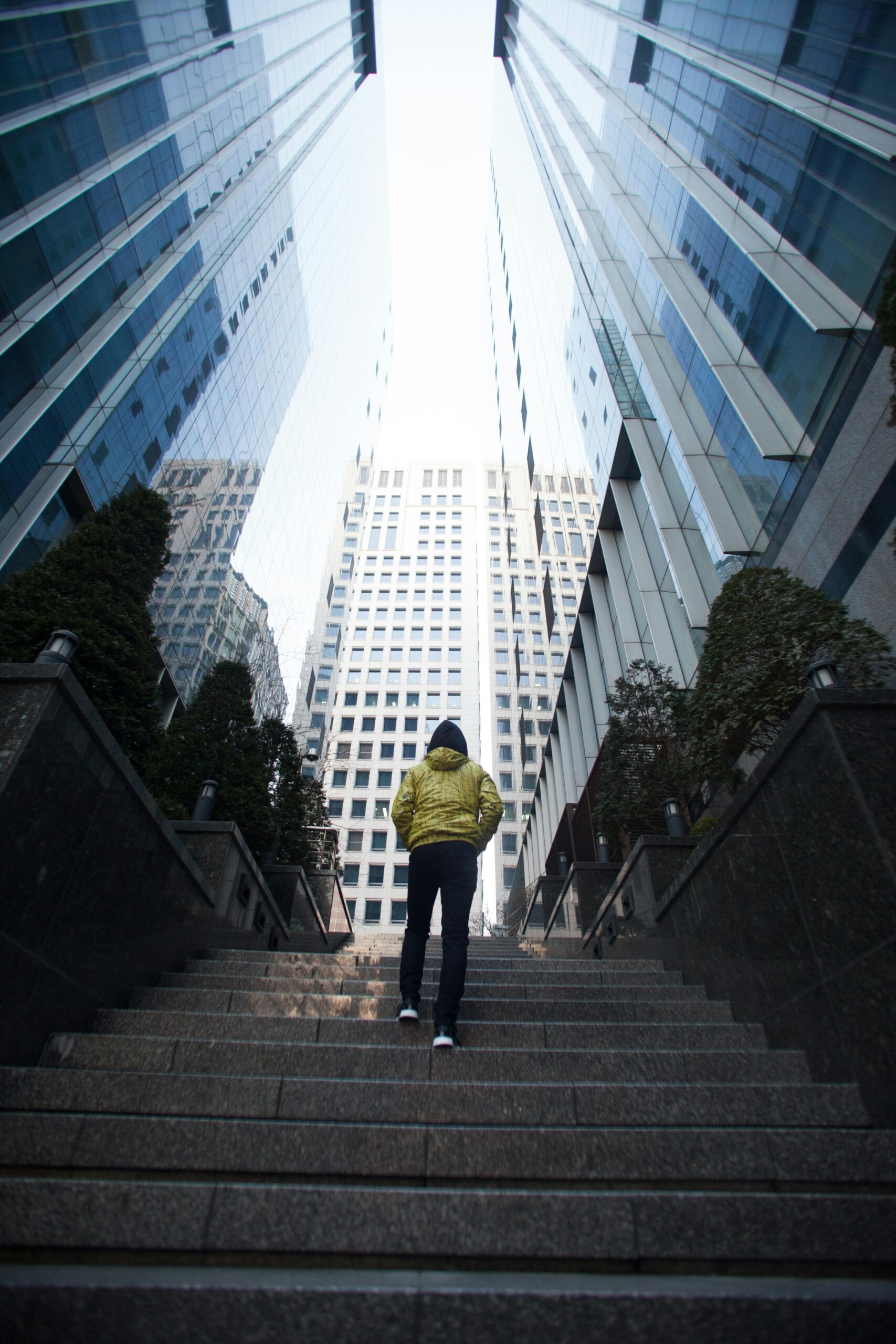
Most people sit because it feels polite.
You sit because that is what interviews look like in your head.
Desk. Chair. Screen.
It feels formal. Controlled.
It also flattens your voice.
Standing is just one part of getting your video interview setup right, but it changes how you speak more than most people expect.
Sitting Changes Your Breathing Before You Notice It
When you sit, your chest compresses slightly.
Your diaphragm moves less.
You take shallower breaths.
You compensate by speaking faster or softer.
Neither helps.
Standing Forces Your Voice to Do Less Work
When you stand, your lungs have space.
Your breath drops lower.
Your voice carries without effort.
You are not projecting. You are just speaking.
That difference matters more than tone coaching ever will.
Interviewers Hear Energy Before They Hear Words
They are not analyzing this consciously.
They just feel it.
Flat energy reads as uncertainty. Rushed energy reads as anxiety.
Standing smooths both.
You Do Not Need to Stand Perfectly Still
This is not a presentation.
You can shift your weight. You can lean slightly.
Small movement keeps your voice flexible.
Sitting locks you in place.
Standing Slows Your Answers Down
This part surprises people.
When you stand, you pause more naturally.
You think for a second before answering.
Those pauses do not sound like hesitation.
They sound like judgment.
Understanding how interviewers decide you are senior helps explain why these subtle signals matter.
Your Camera Framing Matters More When You Stand
You cannot stand and keep the same setup.
The camera needs to be at eye level.
Not laptop level.
If the camera points up at you, you look defensive. If it points down, you look smaller.
This takes five minutes to fix.
Most people do not fix it.
Getting your camera angle right becomes even more important when standing.
Standing Makes It Harder to Hide Nervous Habits
This is uncomfortable.
You cannot fidget under a desk. You cannot lean back to disengage.
That is the point.
Your presence becomes cleaner.
Less noise.
You Will Feel Slightly Exposed at First
That feeling does not mean something is wrong.
It means you are more visible.
Interviewers respond to visibility.
They trust what they can see.
Standing Helps You Finish Sentences More Cleanly
When people sit, they trail off.
They add qualifiers. They soften endings.
Standing gives your voice a natural endpoint.
Statements land.
You Do Not Need to Stand for the Entire Interview
You can sit during introductions.
Stand for substantive questions.
Sit again if needed.
The rule is not all or nothing.
It is intention.
This Works Even if the Interviewer Is Sitting
Especially then.
Your energy does not need to match theirs.
It needs to be stable.
Standing stabilizes you.
This is part of what separates confidence from clarity in interviews.
If This Feels Awkward, That Is Normal
Most useful things do.
It is easier to buy a better microphone than to change how you speak.
Standing changes how you speak.
That is why it works.
Beyond Presence: Show How You Think
Some professionals combine strong presence with a clear plan for their first 30, 60, and 90 days. It shows interviewers exactly how you would operate once hired, not just how you perform in interviews.
Try It Before You Decide
Do not test this for the first time in an interview.
Stand during a practice call.
Record yourself.
Listen, not to the words.
To the pace.
To the steadiness.
You will hear it.
And once you hear it, sitting feels optional.
Not required.