Most candidates think confidence shows up in what they say.
It usually shows up before they speak.
On Zoom, it shows up in the camera angle.
The Camera Is Not Neutral
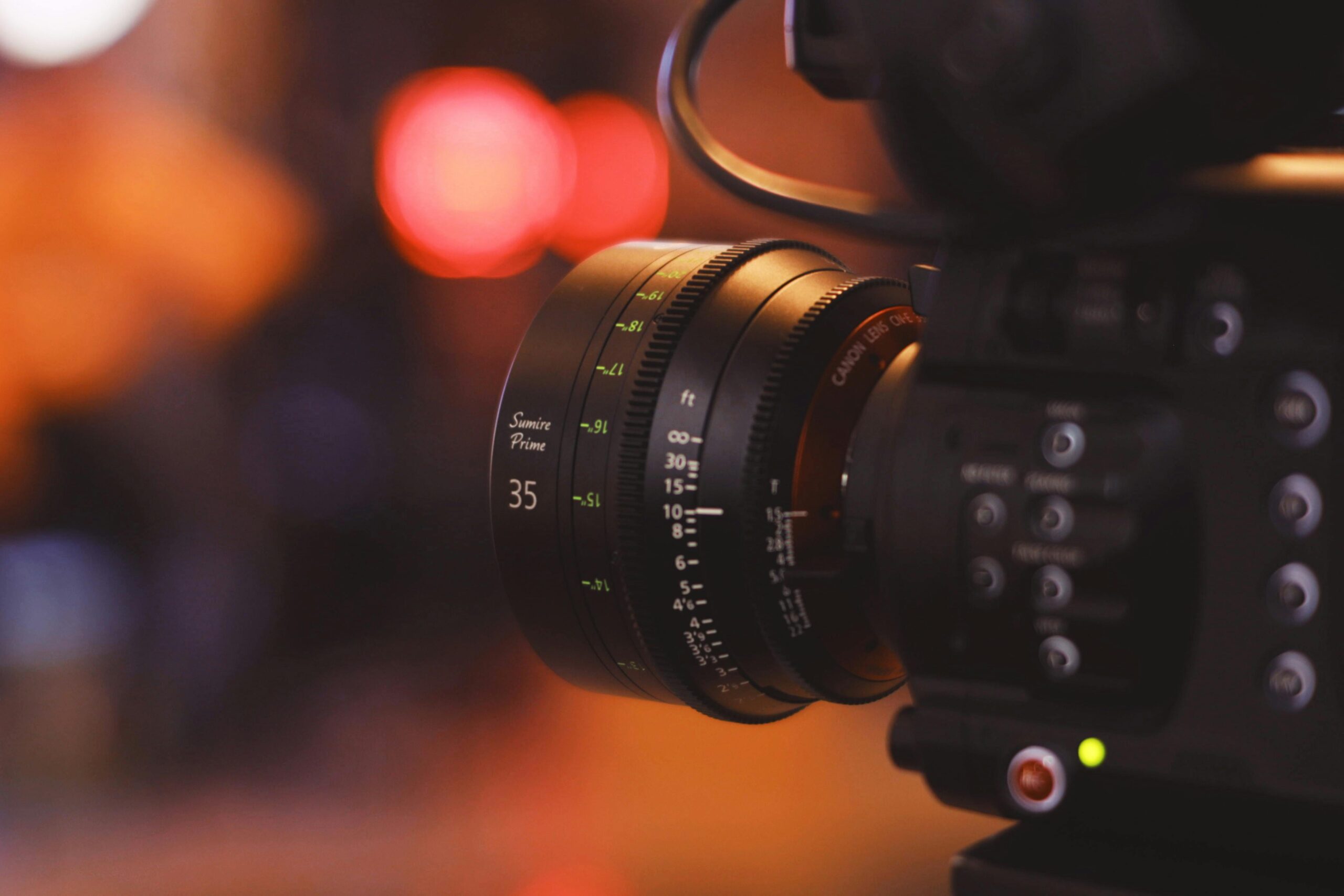
The camera is not just a lens.
It decides where the viewer’s eyes go.
It decides whether your face feels level, dominant, hesitant, or diminished.
Interviewers rarely notice this consciously.
They still react to it.
Camera angle is just one part of how your entire video interview setup sends signals you may not intend.
Looking Down Changes How You Are Perceived
If your camera is below eye level, the interviewer is looking up at you on their screen.
Your chin is angled down.
Your eyes are angled down.
That combination subtly reads as guarded.
Sometimes defensive.
Sometimes unsure.
Even if your answers are solid.
Looking Up Is Worse
Laptop cameras on desks cause this all the time.
Your face tilts upward.
Your eyes widen.
Your neck shortens.
This does not read as confident.
It reads as tentative or seeking approval.
Again, not consciously.
But consistently.
Eye Level Is the Baseline, Not a Preference
Eye level is not about aesthetics.
It is about removing noise.
When your camera is level with your eyes:
- Your face stays neutral
- Your gaze feels steady
- Your posture reads balanced
Nothing distracts from what you are saying.
That is the goal.
Why This Matters More for Experienced Professionals
Senior candidates are evaluated differently.
Interviewers expect composure.
They expect presence.
They expect control without effort.
A bad camera angle creates friction.
Not enough to fail you outright.
Enough to make everything feel slightly off.
That matters more at higher levels.
Understanding how interviewers decide you are senior helps explain why these subtle signals matter.
Your Screen and Your Camera Are Not the Same Thing
This part trips people up.
When you look at the interviewer’s face on your screen, your eyes are angled down.
Even if it feels natural.
To them, it looks like you are not quite meeting their gaze.
News anchors are trained to look into the camera.
There is a reason for that.
Eye contact is perceived, not felt.
How to Look Into the Camera Without Looking Strange
Do not stare.
Do not freeze.
Do not force it.
Place the interviewer’s video window as close to the camera as possible.
Then alternate naturally.
Look at the screen when listening.
Look into the camera when making a point.
Especially when answering directly.
This feels awkward at first.
It stops feeling awkward quickly.
Framing Matters as Much as Angle
Your head should not float.
Your shoulders should be visible.
Too close feels invasive.
Too far feels disengaged.
Mid-chest framing works for most people.
Simple.
Predictable.
Nothing to interpret.
Camera angle becomes even more important if you decide to stand during your Zoom interview, which changes how your voice projects.
This Is Inconvenient on Purpose
Fixing your camera angle takes effort.
You may need books.
Or a stand.
Or an external camera.
You may need to adjust your setup every time.
That inconvenience is part of the signal.
Prepared people prepare.
Interviewers notice that too.
A Quiet Advantage Most Candidates Ignore
Most people never fix this.
They show up as they are.
Laptop on desk.
Camera wherever it lands.
If you do nothing else differently, do this.
It removes a subtle disadvantage.
It does not make you impressive.
It makes you easier to trust.
This is part of what separates confidence from clarity in interviews.
How Some Candidates Remove Uncertainty Before the Interview Starts
Some professionals stop relying on presence alone and start showing how they would operate once hired. They walk through their first 30, 60, and 90 days so interviewers can see judgment, priorities, and direction before making a decision.
One Last Thing
Camera angle will not save a weak interview.
But it can quietly undermine a strong one.
Especially when everything else is equal.
Most interviews are closer to equal than people admit.
So small things start to matter.
You already know that.