
Look, I’m going to tell you something that most career coaches won’t because it sounds harsh.
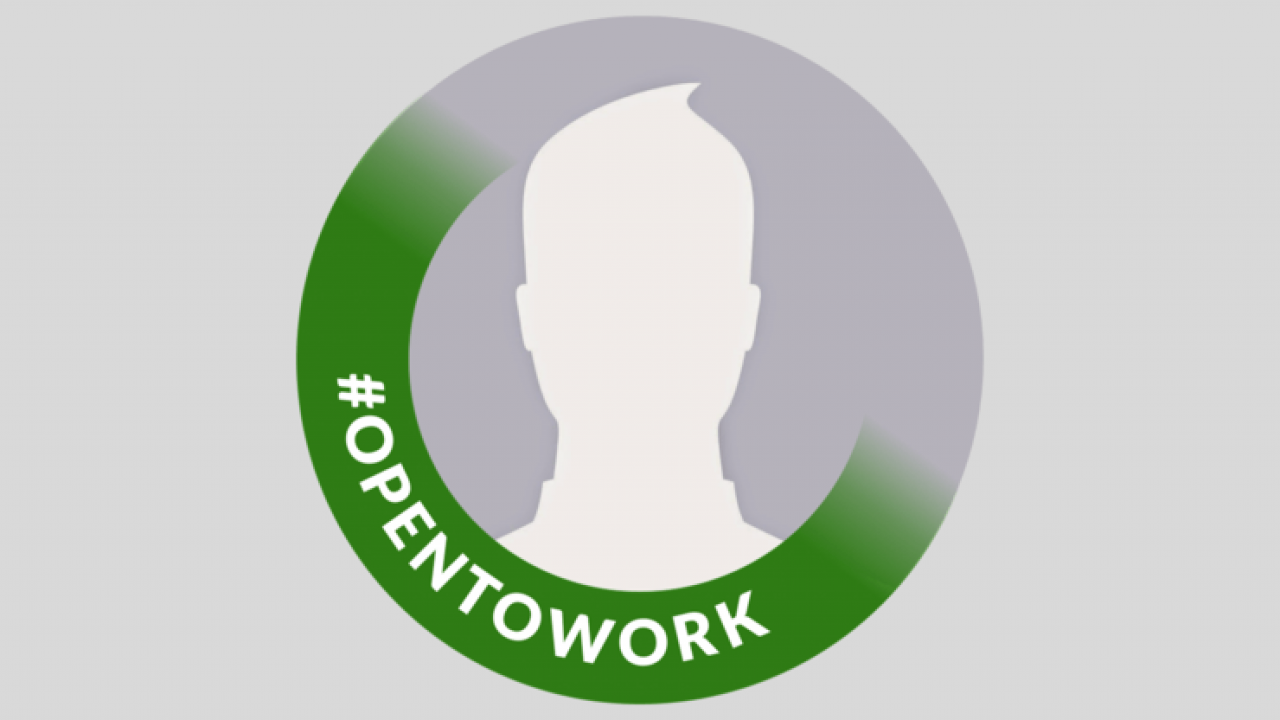
The “Open to Work” banner on LinkedIn makes you look desperate. Not unemployed. Desperate. And there’s a difference.
I spent seventeen years in talent acquisition, mostly at VP level, placed probably a thousand people. I’ve watched this banner roll out, seen how it gets used, and I can tell you exactly what happens when hiring managers and recruiters see it. It’s not good.
Nobody tells candidates this, but that green banner changes how people read your profile. Even when they shouldn’t let it.
What Hiring Managers Actually Think When They See It
Here’s the thing. When I see that banner on someone’s profile, my first thought isn’t “great, they’re available.” It’s “why haven’t they been picked up yet?”
That’s unfair. I know it’s unfair. But it’s how the brain works when you’re looking at fifty profiles in a row.
If you’re strong, why are you advertising? If you’re in demand, why do you need a banner? The logic doesn’t hold up under scrutiny, but hiring managers aren’t scrutinizing their own biases. They’re moving fast and that banner registers as a yellow flag.
I’ve sat in maybe thirty debrief meetings where someone mentioned a candidate had the “Open to Work” thing on and it became part of the narrative. “They’ve been looking for a while.” “Probably not getting a lot of interest.” It’s not decisive, but it’s there in the conversation.
And here’s what candidates don’t realize: hiring managers aren’t optimizing for the most qualified person. They’re optimizing for the lowest-risk person. The banner increases your perceived risk, which is exactly the opposite of what you want. This is why the safest candidate wins over the most qualified—and why signaling desperation makes you look riskier, even when you’re extremely capable.
The Worse Problem: It Signals You’ll Take Anything
This is the part that actually damages you.
When you turn on that banner, you’re broadcasting to everyone—including your current employer, your network, random recruiters—that you’re open to opportunities. Not selective. Open.
Recruiters read that as “I will take your call even if the role is wrong.” And they’re right. The banner attracts volume, not quality. You end up on phone screens for roles that don’t match your level, your comp, or your actual experience because recruiters know you’re fishing.
I’ve worked with recruiters who specifically filter for that banner when they’re trying to fill hard-to-place roles. Not senior roles. Hard roles. The ones where they need someone who’s willing to compromise.
That’s not the pipeline you want to be in.
What Actually Happens to Your Inbox
You get more messages. That part’s true.
But look at what those messages are. Contract roles when you want full-time. Junior roles when you’re senior. Positions in cities you’d never move to, or industries you’ve never worked in.
The banner doesn’t help recruiters find you for the right role. It tells them you’re available for any role, and they’ll pitch you accordingly. This connects to how recruiters actually use LinkedIn to filter and target candidates—most good recruiters don’t search by “Open to Work” status, they search by title and keywords.
I’ve seen people turn that banner on and get twenty messages in a week. Sounds great until you realize nineteen of them were garbage. And the one good one? The recruiter would’ve found you anyway because they were searching for your title and skills, not for a banner.
The Optics If You’re Currently Employed
If you’re employed and you turn on the banner, your manager can see it. Your colleagues can see it. Your clients can see it.
You can set it to “only recruiters,” but that’s not foolproof. Screenshots happen. People talk. Word gets around.
And even if your company doesn’t find out immediately, you’ve created a situation where you’re visibly job hunting while still on payroll. That changes the relationship. Assignments dry up. You get passed over for projects because “they’re probably leaving anyway.”
It’s not fair. But it’s how it works.
I’ve had to counsel people through this exact situation—they turned on the banner thinking it was private, someone at their company saw it, and suddenly they’re being managed out because leadership assumes they’re already gone. The banner forced a timeline that didn’t exist before.
What Strong Candidates Do Instead
The best candidates I’ve placed didn’t have that banner on. Ever.
They kept their profiles updated. Current title, current role, specific accomplishments. When recruiters searched for “VP of Product” or “Director of Engineering,” they showed up in results because their profiles matched the search criteria.
They responded to recruiter messages selectively. Not every message. Just the ones that were actually relevant. And they responded fast when it mattered.
That’s the whole game. You don’t need to advertise availability. You need to be findable when someone’s looking for what you actually do. Understanding how to read job descriptions like a hiring manager helps you optimize your profile for the roles you actually want, not just any role.
The One Exception
If you’re unemployed, the math changes.
If you’ve been let go and you’re actively searching, the banner doesn’t hurt you the same way because there’s no ambiguity. Everyone knows you’re looking. The banner just makes it official.
But even then, I’d argue your time is better spent actually applying to roles and networking than broadcasting availability to every recruiter on the platform. The banner creates activity, not progress.
I know people who got jobs with the banner on. I also know people who got jobs without it. The difference? The ones without the banner got better offers because they weren’t fielding irrelevant outreach and wasting time on calls that went nowhere.
What Hiring Managers Actually Notice
Here’s what I pay attention to when I’m reviewing profiles:
How recently you’ve updated your profile. If your current role was last updated two years ago, I assume you’re not paying attention. If it was updated this month, I assume you’re active.
Whether your headline is searchable. “Transformational Leader” doesn’t help me. “VP Product | Fintech | SaaS” does.
If your accomplishments are specific. “Scaled team from 5 to 25” is useful. “Led strategic initiatives” isn’t.
The banner isn’t on that list. It’s a signal, but it’s not the signal that matters. And when it does register, it usually works against you.
The Real Cost
The banner doesn’t just change how others see you. It changes how you see yourself.
When you’re broadcasting “I’m available,” you start taking calls you shouldn’t take. You start considering roles you’d normally pass on. You lower your standards because the banner created a sense of urgency that wasn’t there before.
I’ve watched this happen probably twenty times. Someone turns on the banner, gets flooded with mediocre outreach, starts to panic that maybe those mediocre roles are all that’s available, and ends up taking something below their level just to turn the banner off.
That’s the opposite of strategic.
Here’s What I’d Do Instead
If you’re employed and passively looking, keep your profile updated and respond to good recruiter messages. That’s it. No banner.
If you’re unemployed and actively searching, spend your time applying directly to roles that match your background, not waiting for recruiters to message you. The ones who find you through search will find you without the banner.
If you want to increase visibility, post content. Not “I’m looking for opportunities” posts. Actual content about your work, your industry, your expertise. That gets you noticed by the right people, not just any recruiter running a search.
The banner feels like action. It’s not. It’s a signal that usually works against you, especially at senior levels where discretion and selectivity matter.
From the Other Side of the Table
I get why people use it. Job searching is brutal. You want something to happen. Turning on the banner feels like you’re doing something.
But from the hiring side, that banner changes the story before you’ve even had a conversation. And at senior levels, the story matters as much as the credentials.
The candidates who get the best offers are the ones who look like they’re not looking. I know that sounds backwards. But it’s how hiring works at director, VP, C-suite levels. You want to be the person the recruiter had to convince to take the call, not the person who’s visibly available to anyone.
It’s not fair. But it’s how it works.
Position Yourself as the Candidate They Had to Pursue
When you show up with a clear 90-day plan, you signal that you’re strategic about your next move, not desperate for any move. That changes how hiring managers see your candidacy from the first conversation.
The Bottom Line
The “Open to Work” banner doesn’t make you more hirable. It makes you look less selective.
At senior levels, selectivity signals value. The banner signals the opposite.
If you’re getting good recruiter outreach without it, you don’t need it. If you’re not getting good outreach, the banner won’t fix that—it’ll just increase the volume of bad outreach.
Keep your profile updated. Respond to the right messages. Apply strategically. That’s the play.
The banner is just noise.